
Bibhutibhushan Bandyopadhyay
Nationality
Indian
Era
Enlightenment
Born
12 Sep, 1894
Died
01 Nov, 1950
Popularity
--
Gender
Male
Profession
Novelist
Bio
Bibhutibhushan Bandyopadhyay (1894–1950) was a celebrated Bengali novelist and short-story writer, best known for Pather Panchali, Aparajito, Chander Pahar, and Aranyak, noted for his vivid portrayals of rural Bengal and human life.

Bibliography & Archives
The Published Works of Bibhutibhushan Bandyopadhyay
Explore the complete bibliography, curated literary works, published books, essays, and definitive writings preserved in the archival collection.

Literary Fiction
1929
পথের পাঁচালী
This celebrated novel follows Apu and his family in rural Bengal, portraying poverty, childhood, family bonds, and the beauty of ordinary life. It became internationally renowned through Satyajit Ray’s film adaptation.
সে কাহাকেও বুঝাইয়া বলিতে পারে না যে, সে কী ভালোবাসে
Literary Fiction
1932
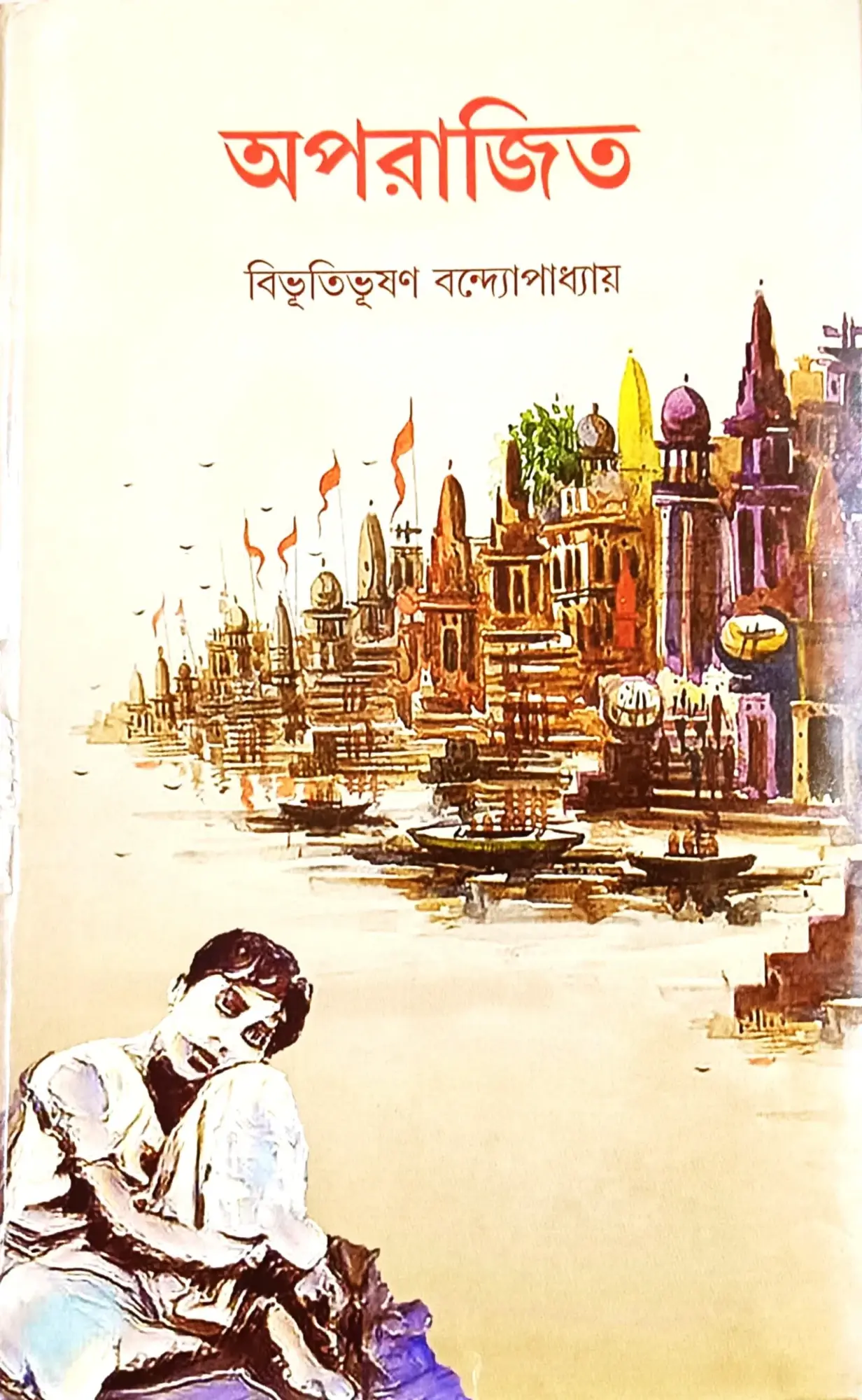
অপরাজিত
The sequel to পথের পাঁচালী follows Apu as he moves beyond his village and pursues education and independence. The story explores ambition, loss, family relationships, and the difficult process of growing up.
একজন মানুষের অন্তরতম অন্তরের কাহিনী কি অন্য মানুষ বোঝে।

Psychological Fiction
1935
দৃষ্টি-প্রদীপ
This novel explores the inner life of its protagonist and the influence of family, society, and personal experience on human character. It reflects Bandyopadhyay’s interest in ordinary lives and complex emotional realities.
এই তো আমার মনের আসল অ্যাডভেঞ্চার, এ যেন আমার হঠাৎ ফুরিয়ে না যায়।

Adventure
1938
চাঁদের পাহাড়
Shankar, a young Bengali man, travels to Africa and encounters dangerous landscapes, wildlife, and extraordinary adventures. The novel celebrates courage, exploration, curiosity, and the desire to discover the unknown.
কোথাও সূর্য্যের আলো নেই, সব সময়ই যেন গোধূলি। আর সবটা ঘিরে বিরাজ করচে এক অপার্থিব ধরণের নিস্তব্ধতা।

Literary Fiction
1939
আরণ্যক
Set in the forests of Bihar, the novel follows a narrator whose work brings him into contact with forest communities and wilderness. It reflects on the conflict between human development and nature, alongside loneliness, beauty, and moral responsibility.
প্রকৃতি তাঁর নিজের ভক্তদের যা দেন, তা অতি অমূল্য দান।

Literary Fiction
1940
আদর্শ হিন্দু হোটেল
The story follows Hazarilal, a cook who dreams of establishing his own hotel. Through his struggles and ambitions, the novel explores work, dignity, entrepreneurship, class, and the possibility of improving one’s circumstances.
আমার বড় ইচ্ছে আছে, কুসুম, একটা হোটেল করি নিজের নামে।

Philosophical Fiction
1944
দেবযান
This novel explores existence, death, and spiritual realms through a narrative that moves beyond everyday physical life. It reflects the author's interest in metaphysical questions and the mysteries of human existence.
অরণ্যই ভারতের আসল রূপ, সভ্যতার জন্ম হয়েচে এই অরণ্য শান্তির মধ্যে, বেদ, আরণ্যক, উপনিষদ জন্ম নিয়েচে এখানে - এই সমাহিত স্তব্ধতায় - নগরীর কোলাহলের মধ্যে নয়।

Historical Fiction
1950
ইছামতী
Set in nineteenth-century Bengal, the novel portrays village life and social relationships during the indigo cultivation era. It examines rural communities, caste, economic exploitation, and the transformations taking place under colonial rule. The novel received the Rabindra Puraskar posthumously in 1951.
পথঘাটে তখনও কাদা, মাঠে মাঠে জল জমে আছে, বিকেলবেলা ফিঙে পাখী বসে আছে বাবলা গাছের ফুলে-ভর্তি ডালে।

Historical Fiction
1959
অশনি সংকেত
Set during the Bengal famine of 1943, the novel depicts the effects of hunger and economic collapse on rural communities. It examines the vulnerability of ordinary people amid a devastating historical crisis. This is a posthumously published work attributed to Bandyopadhyay, not a later compilation of unrelated writings.
ক্ষুধা হেরে গেল মনুষ্যত্বের কাছে।
Sanctuary of Aphorisms